
Express Yourself with Color
Have you ever noticed how certain colors instantly boost your energy, while others create a sense of calm? 🎨 I've always been intrigued by the powerful effect colors have on our emotions and how we express ourselves. It wasn’t until I transformed my dull, beige living room into a vibrant, colorful space that I truly understood how colors can change not just our surroundings, but also our mood and personality.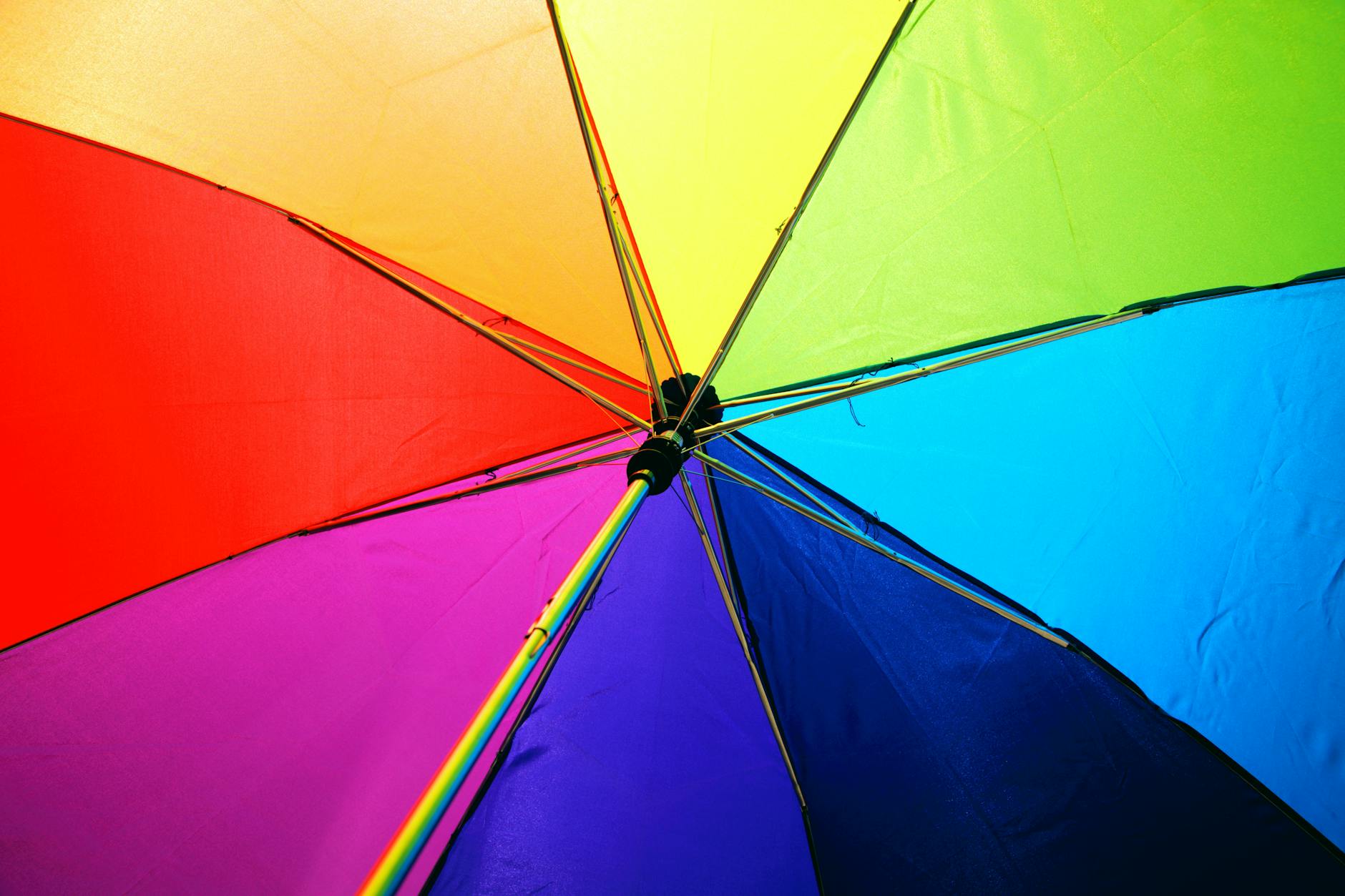
Whether you're gazing at your closet, questioning why nothing seems to resonate, or hoping to refresh your living space, the key is in understanding and embracing the power of color. I've realized that color goes beyond mere aesthetics; it's a profound tool for genuine self-expression and personal transformation.
In this guide, I'll share everything I've learned about harnessing color psychology, discovering your ideal color palette, and bringing these choices into your wardrobe and living spaces. Together, we’ll explore how to use color to create a life that genuinely reflects who you are.
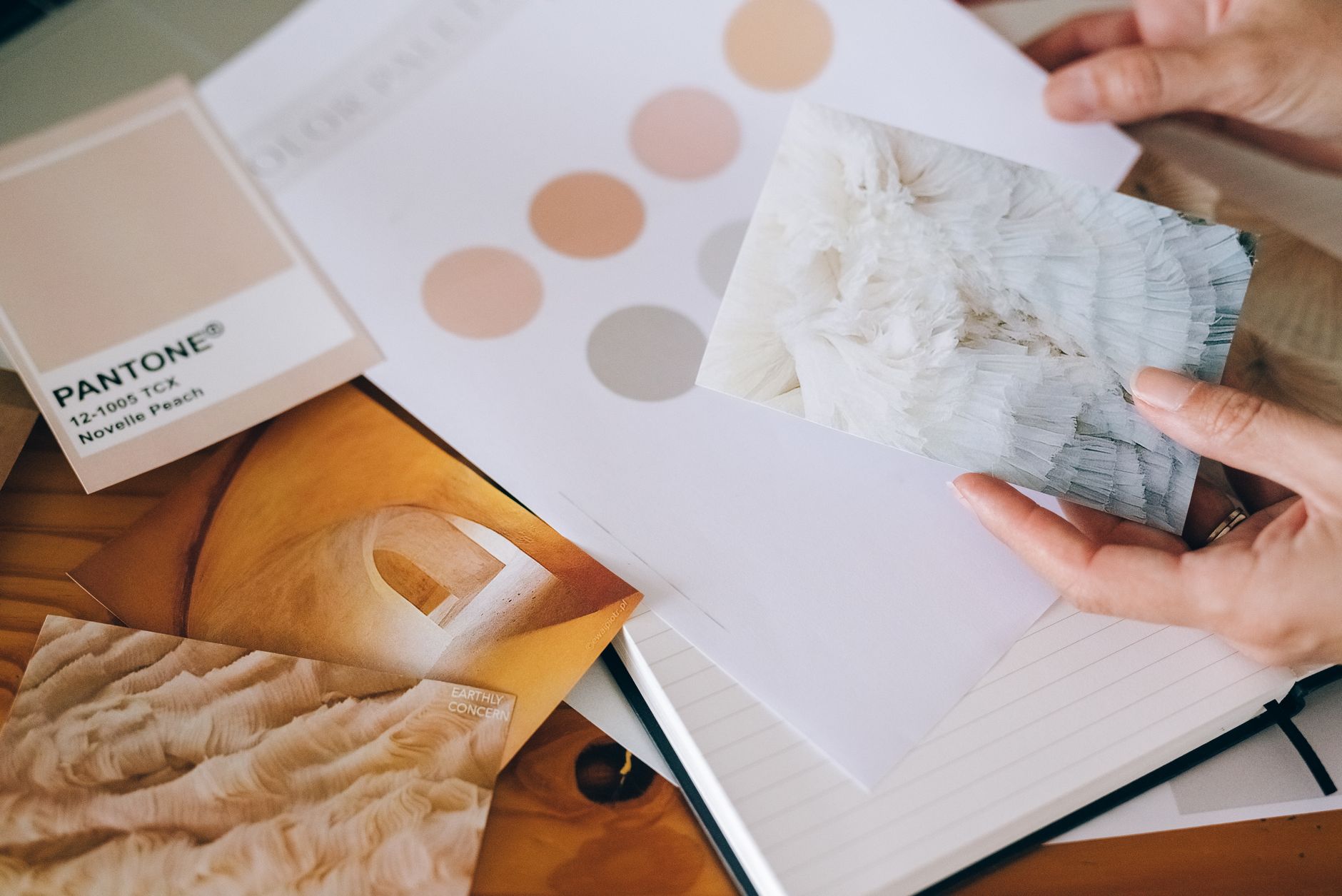
Understanding Color Psychology
How Colors Affect Emotions
| Color | Primary Emotions | Secondary Effects |
|---|---|---|
| Red | Passion, Energy | Increased appetite |
| Blue | Calm, Trust | Enhanced productivity |
| Yellow | Joy, Optimism | Improved memory |
| Green | Balance, Growth | Reduced anxiety |
Cultural Color Meanings
Through my research and travel experiences, I've discovered that color interpretations vary significantly across cultures. Here are some fascinating contrasts I've encountered:
- White: Represents purity in Western cultures but mourning in many Eastern societies
- Red: Symbolizes luck in Chinese culture, while suggesting danger in American contexts
- Purple: Denotes royalty in European traditions, spirituality in Thai culture
Personal Color Associations
I've learned that personal experiences deeply influence our color preferences. When I work with clients, I always ask about their:
- Childhood memories linked to specific colors
- Positive and negative color experiences
- Seasonal color preferences
- Environmental influences
Recognizing these personal associations has completely changed my approach to color psychology. Instead of relying only on universal meanings, I take into account how personal experiences shape individual responses to color. Now that we've covered the psychological basics, let’s dive into selecting the perfect colors for expressing your unique style.
Choosing Your Perfect Colors
Color Wheel Basics
I always begin my color journey with the basics of the color wheel—it’s my trusted tool for grasping how colors work together. Here’s my straightforward guide to primary, secondary, and tertiary colors:
| Color Type | Colors | Characteristics |
|---|---|---|
| Primary | Red, Blue, Yellow | Base colors, can't be mixed |
| Secondary | Green, Orange, Purple | Mixed from primary colors |
| Tertiary | Blue-green, Yellow-green, etc. | Mixed from adjacent colors |
Creating Harmonious Combinations
When I create color combinations, I follow these tried-and-true formulas:
- Complementary: Colors opposite on the wheel
- Analogous: Three colors next to each other
- Triadic: Three colors evenly spaced
- Monochromatic: Various shades of one color
Testing Colors in Different Lights
I've learned that colors can change dramatically under different lighting conditions. My testing process includes:
- Natural daylight viewing
- Indoor fluorescent light check
- Evening artificial light assessment
- Shadow and bright light comparison
Seasonal Color Analysis
I use seasonal color analysis to determine which palette suits me best. The four seasonal types I work with are:
- Spring: Warm and bright colors
- Summer: Cool and soft colors
- Autumn: Warm and deep colors
- Winter: Cool and clear colors
Now that I understand my perfect colors, I'm ready to apply them to my wardrobe choices for maximum impact.
Colors in Your Wardrobe
Now that you understand how to choose your perfect colors, I'll share my expertise on incorporating them into your wardrobe effectively.
Building a Color-Based Capsule Wardrobe
I've found that creating a capsule wardrobe based on colors is both practical and stylish. Here's my proven approach:
- Base colors (70%): I select 2-3 neutral shades
- Accent colors (20%): I add 2-3 complementary colors
- Statement pieces (10%): I include 1-2 bold colors
Mixing and Matching Color Schemes
I use this color combination guide for foolproof outfit planning:
| Color Scheme | Base | Complement | Accent |
|---|---|---|---|
| Monochromatic | Navy | Light Blue | White |
| Complementary | Black | Red | Gold |
| Analogous | Brown | Burgundy | Rust |
Accessorizing with Bold Colors
I love using accessories to add pops of color to my outfits. My favorite strategies include:
- Statement jewelry in vibrant hues
- Colorful scarves and belts
- Bold-colored bags and shoes
- Bright watches or bracelets
When choosing accessories, I stick to the 60-30-10 rule: 60% dominant color, 30% secondary color, and 10% accent color. This method keeps my outfits visually balanced while still making a bold style statement.
Now, let’s take a look at how color can transform our living spaces and explore some creative ways to apply these principles in home décor.

Decorating Spaces with Color
Room-by-Room Color Selection
I've found that each room deserves its unique color treatment based on its purpose. In my experience, bedrooms benefit from calming blues and greens, while I prefer energetic yellows or oranges for my home office. Here's my tried-and-tested room color guide:
| Room Type | Primary Colors | Effect I've Noticed |
|---|---|---|
| Bedroom | Soft Blues, Sage | Promotes rest |
| Kitchen | Warm Yellows, White | Stimulates appetite |
| Office | Orange, Green | Boosts productivity |
| Living Room | Earth Tones | Creates comfort |
Color Flow Between Spaces
When I design my home's color scheme, I ensure each room flows naturally into the next. I achieve this by:
- Using a consistent neutral base throughout
- Carrying accent colors across rooms
- Gradually transitioning between bold and subtle shades
Accent Colors That Pop
I love creating visual interest with strategic accent pieces. My favorite approaches include:
- Adding vibrant throw pillows
- Installing colorful artwork
- Using bold area rugs
- Incorporating painted furniture pieces
Paint vs. Decorative Elements
I've learned to balance permanent color choices with changeable elements. Wall paint serves as my foundation, while I express seasonal changes through:
- Textiles and upholstery
- Window treatments
- Decorative accessories
Lighting Effects on Color
I always keep in mind how various lighting conditions impact my color choices. Natural daylight reveals colors in their true form, while artificial lighting can shift how they appear. In rooms with limited natural light, I tend to choose warmer tones to cultivate a cozy, inviting atmosphere. Up next, we’ll dive into how colors can serve as powerful tools for personal expression.
Using Color in Self-Expression
Color in Personal Branding
I’ve discovered that personal branding goes beyond just a logo or website—it’s about crafting a consistent visual identity that genuinely reflects who I am. When building personal brands, I always begin by selecting 2-3 core colors that align with my personality and values. Here’s my tried-and-true color strategy for personal branding:
| Color Purpose | Examples | Impact |
|---|---|---|
| Primary Color | Blue, Red | Sets the main tone |
| Secondary Color | Yellow, Purple | Adds dimension |
| Accent Color | Orange, Teal | Creates highlights |
Social Media Color Schemes
I make sure my social media presence stays cohesive by following these key principles:
- Maintaining consistent filter styles across Instagram posts
- Using my brand colors in story highlights
- Incorporating my signature colors in profile headers
- Keeping my color palette visible in all graphic design elements
Creative Projects and Art
When expressing myself through creative projects, I let colors steer my artistic vision. I’ve discovered that blending different mediums while staying true to my personal color palette helps me develop a distinctive signature style. My favorite approaches include:
- Experimenting with color combinations in digital artwork
- Using color blocking in photography
- Incorporating meaningful color symbolism in paintings
- Blending colors to create emotional depth
Now that we've explored how to use color for self-expression, let's see how these principles can transform our living spaces with intentional color choices.

I encourage you to embrace color as a powerful tool for self-expression. Whether you’re choosing tomorrow’s outfit or redesigning your living space, make your color choices intentional and true to who you are. Remember, there are no wrong choices in personal expression—trust your instincts and let your true colors shine.
FAQs
1. How can color affect my emotions and mood?
Colors have a powerful impact on our emotions. For instance, red can evoke passion and energy, blue can promote calm and trust, and yellow can bring joy and optimism. Understanding these connections helps you make intentional choices to improve your mood or the atmosphere around you.
2. What is color psychology?
Color psychology is the study of how colors affect human emotions and behaviors. It's not just about aesthetics; it's a tool for self-expression and personal transformation, influencing everything from wardrobe choices to interior design.
3. How do I choose the right colors for my personal style?
To choose the right colors, start by understanding the color wheel, which shows how colors interact. You can create harmonious combinations using complementary, analogous, triadic, or monochromatic schemes. Consider your skin tone, preferences, and the emotions you want to convey with each color.
4. What is the 60-30-10 rule for accessorizing with color?
This rule suggests that you should use 60% of your outfit in a dominant color, 30% in a secondary color, and 10% in an accent color. It creates a visually balanced look while still allowing bold colors to make a statement.
5. How do different lighting conditions affect color?
Colors can look different under natural, artificial, and fluorescent lighting. To see true color, always check it under natural daylight. If you're decorating or dressing in spaces with limited natural light, you may want to use warmer tones for a cozy, inviting atmosphere.
6. What is the seasonal color analysis and how does it affect my wardrobe?
Seasonal color analysis categorizes people into four main types: Spring (warm and bright), Summer (cool and soft), Autumn (warm and deep), and Winter (cool and clear). Identifying which seasonal palette suits you best can help you select colors that enhance your appearance and personal style.
7. How do I use color in my home décor?
Colors play a crucial role in setting the mood of different rooms. For example, calming blues and greens work well in bedrooms, while energizing yellows or oranges are ideal for a home office. By selecting the right colors for each room, you can create a space that supports its purpose and your personal style.
8. Can color enhance my personal brand?
Yes, color is essential in personal branding. Choose 2-3 core colors that reflect your personality and values. Use these colors consistently across your website, logo, and social media profiles to create a cohesive and authentic visual identity.
9. How can I express myself through creative projects using color?
In creative projects, color can guide your artistic vision. Whether it's using color blocking in photography or combining colors in digital artwork, staying true to your personal color palette allows you to create a distinctive signature style that resonates with your emotions and vision.
10. Why is it important to trust my instincts when choosing colors?
Colors are deeply personal, and there are no wrong choices when it comes to self-expression. Trusting your instincts allows you to select colors that feel authentic to you, whether for your wardrobe, living space, or creative projects, helping you create a life that reflects your true self.
Conclusion:
Color is more than just a visual element—it’s a powerful tool for self-expression, emotional influence, and personal transformation. By understanding color psychology and embracing your own unique color palette, you can enhance your mood, boost your confidence, and create an environment that truly reflects who you are. Whether you're choosing colors for your wardrobe, home décor, or personal branding, make sure your choices are intentional and authentic. Trust your instincts, and let color help you express your true self in every aspect of your life.


0 Comments